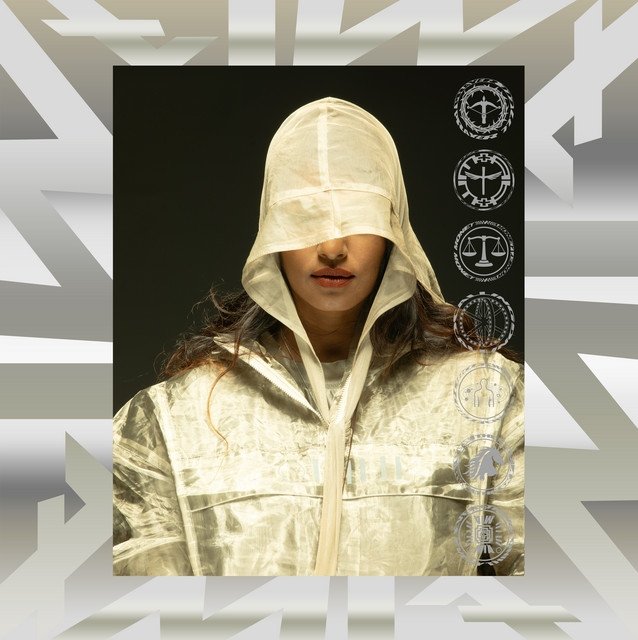
M.I.7 marks M.I.A.’s boldest reinvention yet: a full-throated dive into Christian faith on her seventh studio album, released April 17, 2026, via her own OHMNI label. Clocking in at roughly 64 minutes across 16 tracks (including seven “Trumpet” interludes), the record was reportedly written and recorded in seven locations over seven days, drawing heavily from the Book of Revelation. It’s M.I.A. as born-again provocateur—bass-heavy, gospel-tinged, and unapologetically preachy.
The sonic palette blends her signature global collage—glitchy electronics, funk carioca rhythms, and anarchic chants—with soaring Sunday Service Choir features and regal brass. Standouts like “JESUS,” “Everything,” and “Sacred Heart” deliver moments of genuine ecstasy, where M.I.A.’s rapid-fire flow meets swelling choral harmonies and thunderous low-end. These tracks pulse with the chaotic energy that made Arular and Kala revolutionary, now repurposed as vehicles for personal salvation and spiritual warfare. The production feels both raw and calculated, echoing the DIY spirit of her early work while nodding to contemporary gospel-pop.
Yet M.I.7 is polarizing. The Christian messaging lands with varying degrees of sincerity and awkwardness; some lyrics feel profound and autobiographical, others generic or tacked-on. Critics have noted the beats can veer toward inoffensive or flat, with M.I.A.’s delivery occasionally sounding subdued compared to her peak agit-prop fire. The 33-minute closer “30 Minutes of Silence” is a conceptual gamble—haunting in stretches, testing patience in others—that encapsulates the album’s mix of brilliance and self-indulgence.
Thematically, M.I.A. weaves faith with her longstanding obsessions: surveillance, global power, and paranoia. This creates a fascinating tension—Revelation’s trumpets blasting against modern conspiracy vibes—but it can feel messy. Longtime fans craving political bangers may feel alienated, while the gospel audience might find the experimental edges jarring.
Ultimately, M.I.7 is a messy, fearless testament. It’s not M.I.A.’s strongest work sonically or lyrically, but its emotional conviction and spiritual audacity make it compelling. In an era of safe pop, credit her for chasing revelation over relevance. For better or worse, Maya refuses to be boxed in.
If you found this review enjoyable, please consider buying Mr. Music a coffee. He'd be delighted! Buy Mr. Music a coffee