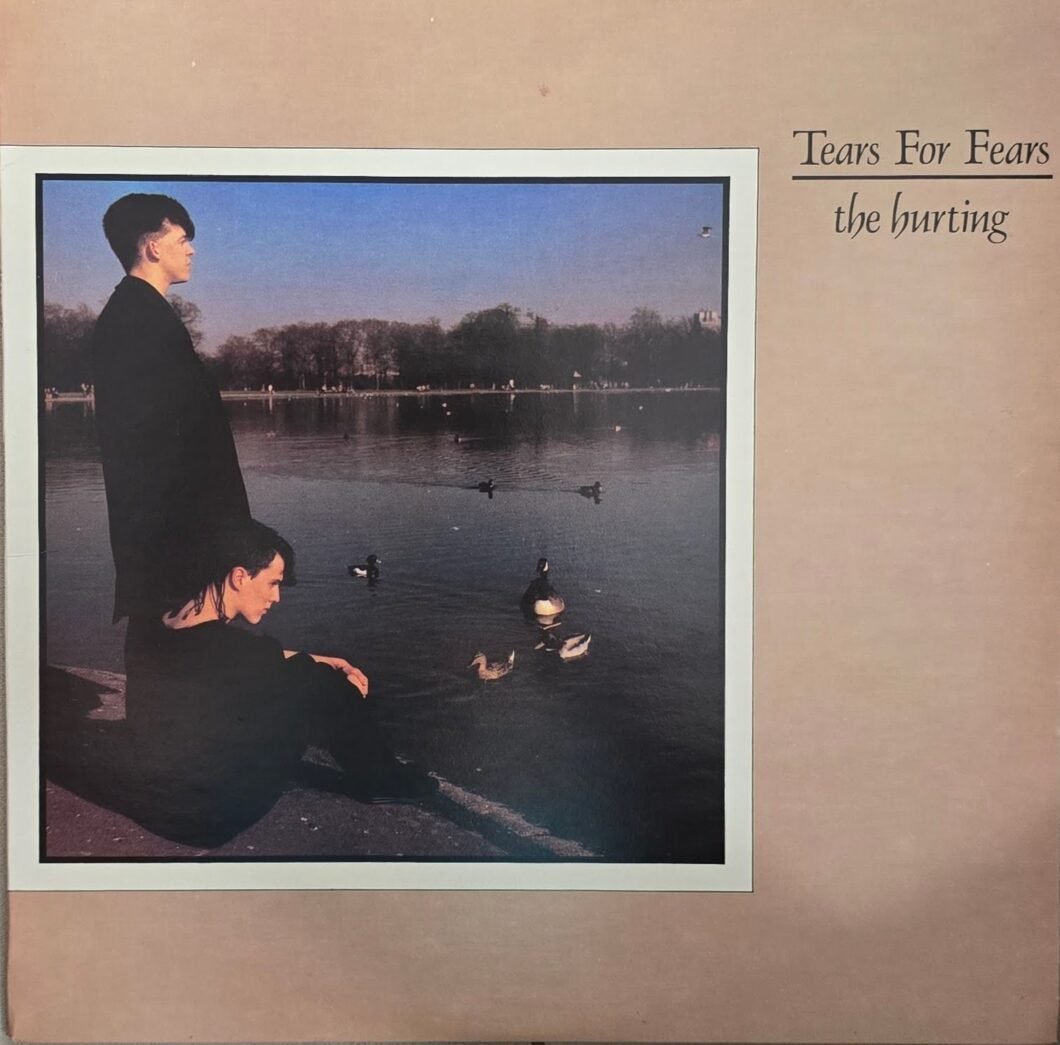
The Hurting, Tears for Fears’ 1983 debut, remains one of the most fully realized opening statements in new-wave history. Recorded when Roland Orzabal and Curt Smith were barely out of their teens, the album is a dark, immaculate distillation of adolescent dread set against gleaming early-’80s synth-pop. Produced by Chris Hughes with forensic precision, it sounds both clinical and raw, the perfect frame for lyrics drawn from Arthur Janov’s primal-therapy theories and the duo’s own unsettled upbringings.
From the opening title track’s icy sequencer pulse to the closing “Start of the Breakdown,” every song circles the same wound: the pain that begins in childhood and never quite leaves. “Mad World” is the obvious classic—its sparse piano and detached vocal still feel like a dispatch from another planet—but the deeper cuts hit harder. “Memories Fade” layers glassy arpeggios over a sense of irreversible loss; “Watch Me Bleed” turns self-pity into something almost glamorous; “Suffer the Children” confronts parental damage with a chilling nursery-rhyme melody. Even the upbeat singles “Change” and “Pale Shelter” carry an undertow of desperation, their choruses soaring while the verses admit defeat.
Orzabal’s voice—fragile yet theatrical—does the heavy lifting, while Smith’s melodic bass lines keep the gloom danceable. The result is music that feels both therapeutic and theatrical, confessional yet radio-ready. Forty-plus years later, the album hasn’t dated; its blend of emotional honesty and pristine production still sounds ahead of its time. If anything, The Hurting has grown more relevant as successive generations discover how neatly its themes map onto modern anxiety.
Flaws are minor: a couple of mid-album tracks (“The Prisoner,” “Ideas as Opiates”) feel like sketches compared to the surrounding peaks. Yet even these serve the album’s single-minded concept. The Hurting isn’t just a collection of songs; it’s a psychological portrait rendered in chrome and reverb. For anyone who has ever felt the gap between outward composure and inner turmoil, it remains essential listening.